
Simple Ways to Protect Your Plants and Yard
Common mulching mistakes usually come down to using too much material, placing it too close to stems or trunks, picking the wrong type, or skipping prep work before spreading it. The good news is that most of these problems are easy to fix. When mulch is used the right way, it helps soil hold moisture, slows weed growth, and keeps plant roots safer during hot and cold weather.
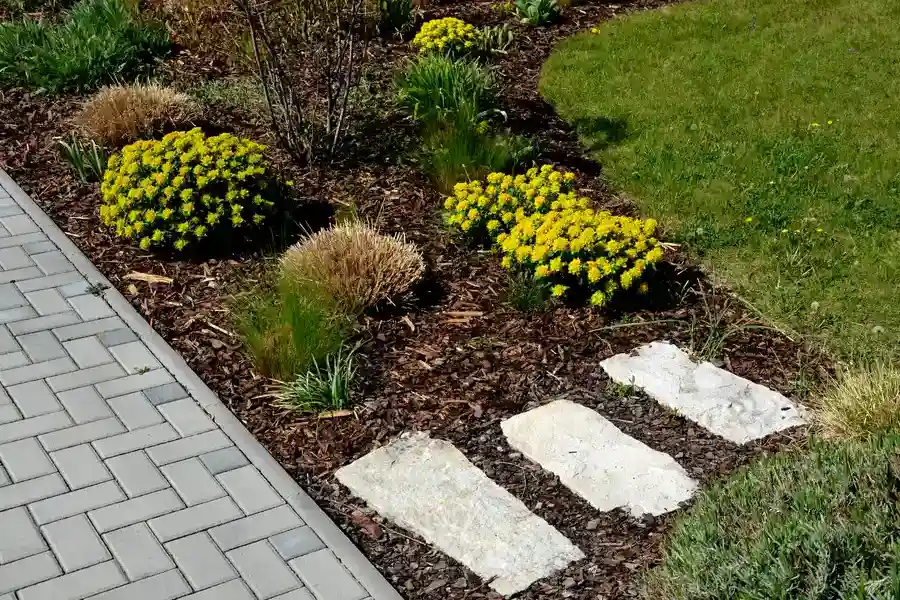
Why Prevention Matters
mulching looks simple, but small errors can cause big yard problems over time. A thick pile around a tree can trap water and lead to rot. A thin layer may dry out fast and do very little. If weeds are left in place before adding ground cover, they often grow right through it. Good habits help your beds stay neat and healthy longer.
Prevention also saves time. It is much easier to spread mulch the right way once than to pull it back, remove dead plants, and start over later. A little care at the start can help flowers, shrubs, and trees grow better through the season.
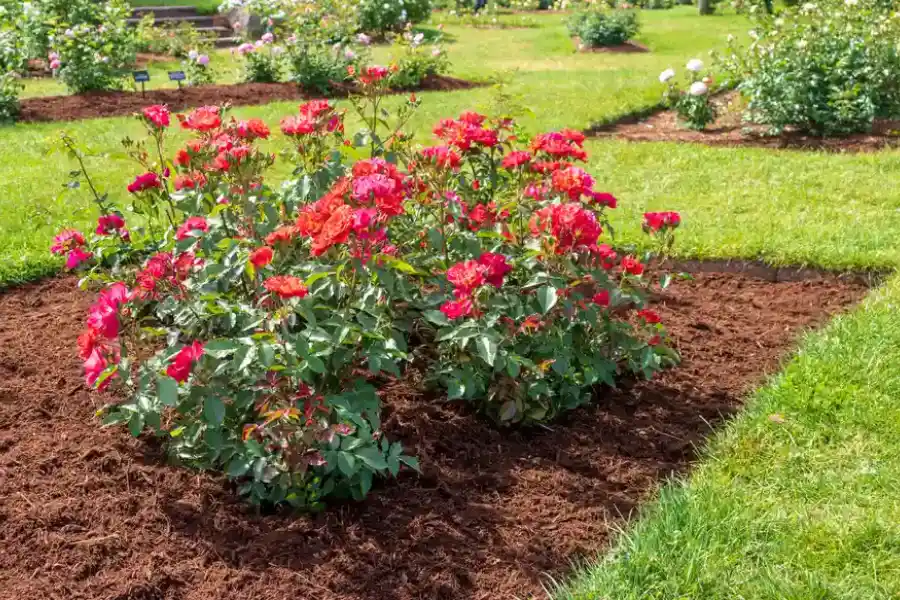
Early Warning Signs
You can often spot bad mulching before major damage happens. Watch for clues in your planting beds and around trees. If something looks off, check the mulch depth and placement first.
- Mulch piled high against a tree trunk like a volcano
- Soggy soil that stays wet for days
- Plant stems turning dark or soft near the base
- Weeds growing through the mulch layer
- Crusty, dry mulch that water cannot soak through
- A sour smell coming from the bed
- Roots showing near the top because material washed away
These signs often point to simple mistakes. Catching them early can help you avoid disease, pests, and weak plant growth.
Seasonal or Routine Checklist
A simple routine can keep mulching working the way it should. You do not need to replace all of it every time. In many yards, it is better to fluff, level, and top it off only where needed.
- Pull weeds before adding any new mulch.
- Break up old packed layers with a rake.
- Check the depth across the whole bed.
- Keep mulch a few inches away from trunks and stems.
- Use a layer about 2 to 3 inches deep.
- Water the bed lightly after spreading it.
- Inspect after heavy rain or wind.
Spring and fall are common times to refresh beds. Still, any season works if the ground is not frozen and plants need help. If you have a service category keyword in your yard plan, this is also a good time to review the full landscape care schedule so each task supports the next one.
Best Practices for Long-Term Results
The best mulching results come from using the right material in the right place. Shredded bark works well in many flower beds because it stays in place better than lighter materials. Wood chips are often useful around trees and natural areas. Fine mulch can look neat, but it may pack down faster and block water if spread too thick.
Keep the layer even. Most beds do best with 2 to 3 inches. Around trees, make a wide ring instead of a tall mound. Leave space around the trunk so air can move and bark can stay dry. In vegetable gardens, lighter materials like straw can help hold moisture while keeping soil cooler.
It also helps to prep the bed first. Remove weeds, sticks, and old trash. Edge the border if needed. Then spread the material evenly with a rake or gloved hands. This gives a cleaner look and helps the mulch stay where it belongs.
What Not to Do
Many common mulching mistakes happen because people try to solve one problem by adding more material. More is not always better. Too much can trap moisture, block air, and stress plants.
- Do not pile mulch against tree trunks or plant stems.
- Do not spread 4, 5, or 6 inches in most beds.
- Do not cover weeds and hope they disappear.
- Do not use fresh material that may steal nitrogen from soil.
- Do not mix too many types if you want an even look.
- Do not let old layers build up year after year.
- Do not ignore drainage problems under the bed.
Another mistake is choosing mulch only for color. Dyed products can look nice, but the fit for the plant bed matters more than the shade. Think about moisture, slope, sun, wind, and how close the bed is to the house. In some cases, stone or gravel may be a better ground cover than wood-based mulch, but that depends on the plant type and heat around the area.
When to Schedule Professional Help
Some mulching jobs are easy for a homeowner. Others take more planning. Large properties, steep slopes, drainage trouble, and mature trees often need a trained eye. If you have root flare issues, standing water, heavy weed pressure, or beds that wash out after storms, it may be time to get help.
Professional help also makes sense when the problem is not just the mulch. Beds may fail because of grading, poor soil, wrong plant spacing, or weak irrigation. In that case, adding more mulch will not fix the root issue. A full yard review can save money and help plants recover faster.
Get Help With Healthier Beds
If your beds, trees, or shrubs are showing signs of bad mulching, we can help sort out what is going wrong and what to do next in Murrieta, CA. At JC & Sons Landscaping, we handle mulch placement, bed care, and related yard work with a clear plan that fits your property. Call us at (951) 408-8009 to talk about the problem and set up a visit.