
The Right Cutting Habits Help Grass Stay Thick and Crowd Out Weeds
Proper lawn mowing helps prevent weed growth by keeping grass thick, healthy, and strong. When turf is cut at the right height and on the right schedule, it shades the soil and gives weed seeds less room to sprout. In Murrieta, CA, this matters because changing weather, heat, and rain can stress a yard fast. A simple mowing routine can make a big difference before weeds spread across the lawn.
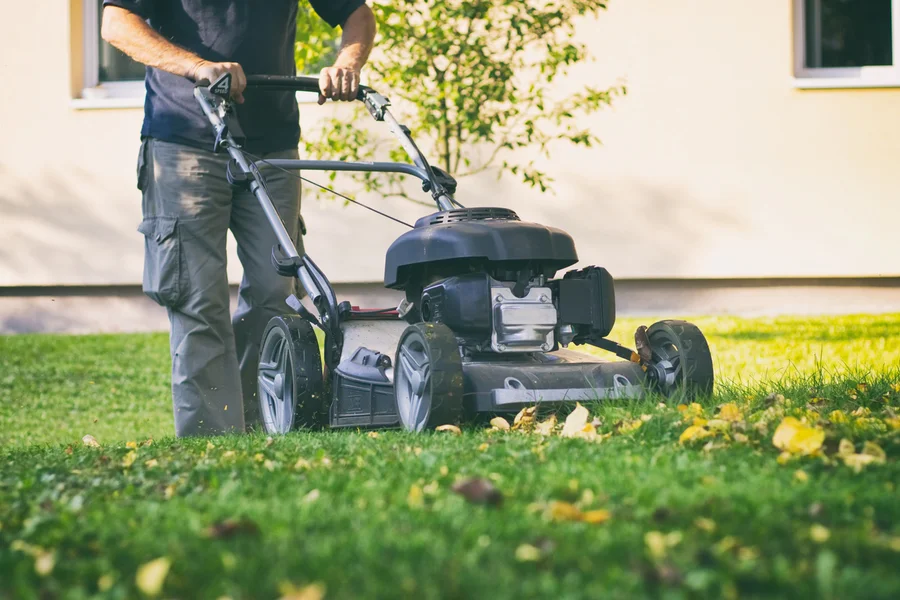
Why Prevention Matters
Weeds love weak grass. If a yard is cut too short, the soil gets more sun. That extra light helps weed seeds wake up and grow. Short grass also has shallow roots, so it dries out faster. Then the lawn thins out, and weeds move in.
Good lawn mowing helps grass build deeper roots. Taller, thicker turf acts like a cover over the soil. It blocks sunlight from reaching many weed seeds. It also helps the lawn hold moisture better. This gives grass the upper hand.
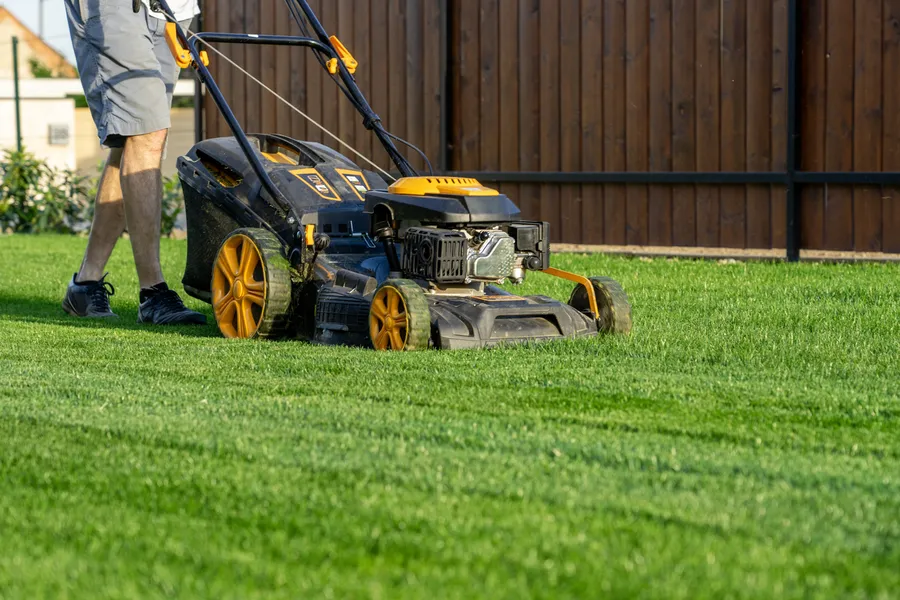
This is true for many kinds of service category work tied to yard care. A healthy lawn often starts with the basics, and mowing is one of the biggest ones.
Early Warning Signs
You can often spot trouble before weeds take over. A lawn does not go from healthy to weedy overnight. Small signs usually show up first.
- Grass looks thin in sunny spots
- Brown patches appear after mowing
- Many seed heads show up fast
- Dandelions or crabgrass pop up in open areas
- The yard looks uneven after each cut
- Soil is easy to see between grass blades
If you notice these signs, your mowing habits may need to change. The fix may be as simple as raising the mower blade or mowing less often during hot weeks.
Seasonal or Routine Checklist
A steady routine helps stop weeds before they get started. The best mowing plan can change a little with the season, but the goal stays the same: keep grass healthy and avoid stress.
- Set the mower height for your grass type. Most lawns do better when grass is not cut too low.
- Never remove too much at once. Try not to cut more than one-third of the blade each time.
- Mow when the grass is dry. Wet grass can clump, tear, and leave an uneven cut.
- Keep mower blades sharp. Dull blades rip grass instead of cutting it cleanly.
- Change the mowing pattern. This helps stop ruts and keeps grass from leaning one way.
- Leave short clippings when they are light. They break down and feed the lawn.
- Slow down in heat or drought. Grass under stress needs extra leaf area to recover.
This kind of lawn mowing plan keeps the yard thicker over time. Thick turf is one of the best natural barriers against weeds.
Best Practices for Long-Term Results
The biggest mistake many people make is cutting grass too short because they want to mow less often. That may seem smart at first, but it usually creates more work later. A scalped lawn often needs extra water, extra repair, and more weed control.
It helps to think of mowing as part of plant care, not just yard cleanup. Grass makes food through its blades. If too much blade is cut off, the plant has less strength. Weak grass cannot compete well with broadleaf weeds or grassy weeds.
Another smart habit is matching your mowing schedule to growth speed. In spring, grass may grow fast and need more frequent cuts. In summer, it may slow down. Cutting by calendar alone can lead to mistakes. Watching the lawn works better.
If your yard has slopes, shady spots, or play areas, each part may act a little differently. Thin spots near driveways or sidewalks often heat up faster and can become weed zones. Paying attention to those areas can help stop a small issue from spreading.
What Not to Do
Some mowing habits make weed problems worse even when the rest of the yard care plan is decent. Avoiding these simple mistakes can protect your lawn.
- Do not scalp the lawn to make it look neat
- Do not mow on the same exact pattern every time
- Do not use dull blades
- Do not mow during extreme heat if the grass is stressed
- Do not ignore bare patches
- Do not let grass get very tall, then cut it very short
Each of these habits can weaken turf and open space for weeds. Once weeds fill in those gaps, they are harder to remove.
When to Schedule Professional Help
Sometimes a lawn keeps getting weeds even when the mowing schedule seems fine. That can happen when the grass type is wrong for the site, the soil is compacted, drainage is poor, or the mower height has been off for a long time. A professional can spot these problems faster.
Help is also useful if the yard has large thin areas, many weed types, or damage from drought and foot traffic. In those cases, lawn mowing alone may not solve the issue. The lawn may need a full care plan that includes mowing changes, patch repair, and better timing.
A trained crew can also help if you are not sure how high to cut your grass, how often to mow, or why one part of the yard keeps failing. Small changes made at the right time can stop bigger weed problems later.
Get Help Building a Healthier Yard
If your yard in Murrieta, CA is getting thin or weedy, we can help you build a better mowing routine. Contact JC & Sons Landscaping to talk about what your lawn needs and what steps may help it stay thicker and healthier. Call us at (951) 408-8009, and we will be glad to help.