
How Healthy Soil Layers Help New Grass Grow Deeper, Stronger Roots
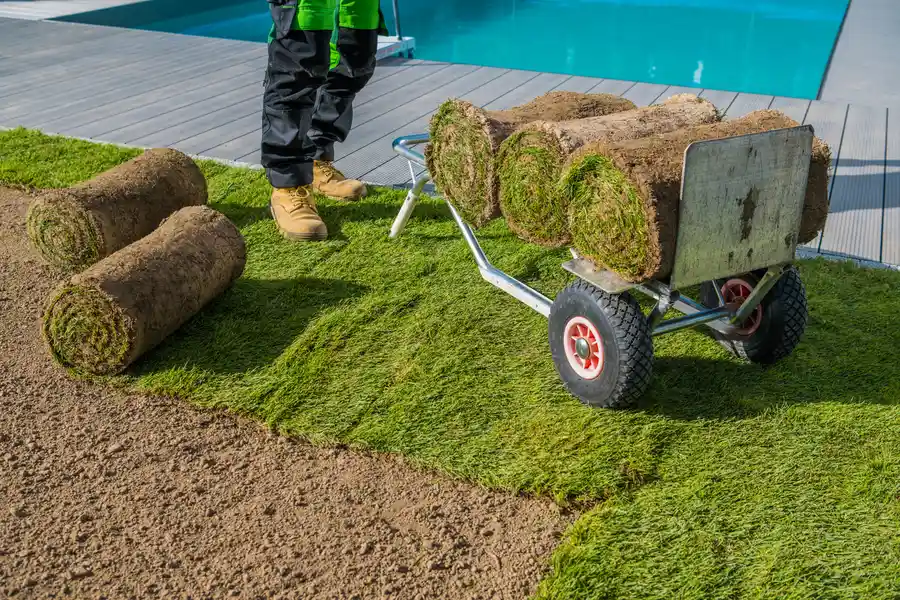
Layered soil helps sod roots grow faster because each layer does a different job. A good top layer holds moisture and gives roots a soft place to spread. The layer below helps with drainage, air flow, and deeper root growth. When these layers work well together, new grass has a better chance to stay green, handle foot traffic, and deal with dry days in Murrieta, CA. This matters during sod installation because roots need the right soil conditions from day one.
What You Need Before Starting
Before laying new sod, it helps to look at the soil under your yard. Many lawns fail because the grass looks fine on top, but the soil below is hard, uneven, or full of debris. That makes it hard for roots to move down. If the soil is layered the right way, water can soak in better and roots can anchor well.
You should check a few basic things first. Yard grading, drainage, and soil texture all affect root health. Even though the service category keyword is blank here, the full lawn surface and base still need attention before any sod installation begins.
- Remove rocks, old roots, and building debris
- Break up packed soil
- Check if water pools after rain
- Add clean topsoil if the upper layer is too thin
- Test if the soil drains too fast or too slow
Step-by-Step Process
A layered soil setup does not need to be complex. It just needs to support root growth from the top down. Here is a simple way to prepare the ground before sod installation.
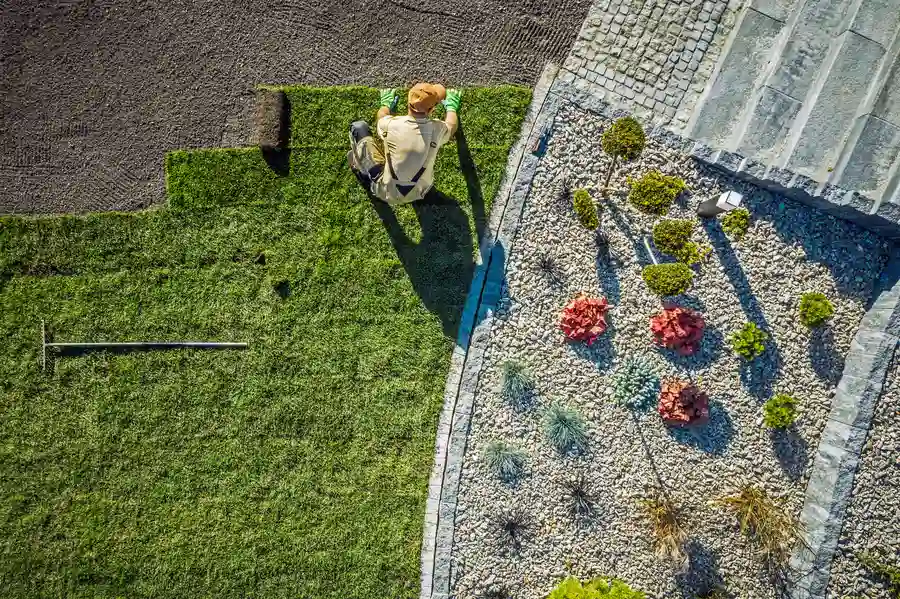
- Clear the area fully. Remove weeds, trash, and old grass.
- Loosen the base soil. Break up hard ground about several inches deep.
- Fix grading issues. The yard should slope lightly away from the home.
- Add a workable top layer. This upper layer should be loose and clean.
- Blend, do not sharply separate, the layers. A hard line between layers can trap water.
- Water the soil lightly before laying grass. Damp soil helps roots settle in.
- Install the sod quickly after prep. Fresh sod bonds better to prepared soil.
The main goal is simple. Roots need soft soil near the top, oxygen below, and a path downward. If the top is nice but the lower soil is like concrete, root growth slows down. Grass may stay alive at first, but it can struggle later during heat or heavy use.
Common Mistakes to Avoid
One common mistake is adding a thin layer of nice soil over badly packed dirt. That may look good for a week or two, but roots often stop when they hit the hard layer below. Another mistake is using very different materials that do not work well together. For example, if sandy soil sits right over heavy clay without blending, water may collect between those layers.
People also make the mistake of skipping soil prep because they want fast results. Sod installation is fast on the surface, but the hidden work below matters just as much. Poor layering can lead to shallow roots, yellow spots, soft areas, or runoff during watering.
- Do not lay sod over compacted ground
- Do not ignore drainage problems
- Do not use soil with lots of debris
- Do not make the top layer too thin
- Do not overwater right after installation
When to Call a Professional
Some yards have problems that are hard to fix without the right tools. If your lawn has standing water, steep slopes, heavy clay, or areas where grass always dies, expert help may save time and money. A trained crew can spot grade issues, compaction, and poor soil structure before the sod goes down.
This is also helpful for larger yards or new build homes. Construction often leaves behind packed soil and buried debris. In cases like that, sod installation needs more than a fresh layer on top. The whole root zone may need work so the grass can grow evenly across the property.
Final Recommendation
Layered soil gives sod a stronger start because it supports moisture, air flow, drainage, and root movement at the same time. If you want grass that lasts, pay close attention to what is under the surface, not just how the lawn looks on the first day. In Murrieta, CA, this can make a big difference during hot weather, rain, and regular yard use. If you want help planning the right soil setup for your lawn, contact us at (951) 408-8009. Our team at JC & Sons Landscaping can inspect the site, explain the next steps, and help us choose the best path for healthy sod roots.