
How Sod Helps Hold Soil on Hills and Reduce Washout
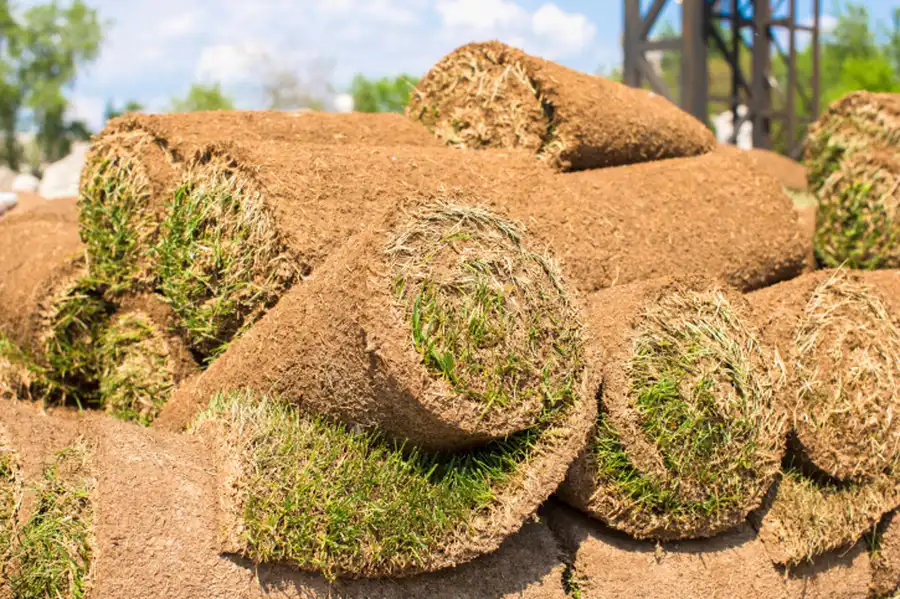
Yes, sod can help control erosion on a slope when it is planned and laid the right way. The grass roots help hold soil in place, and the sod layer gives the ground fast cover. That matters on hills where rain can wash loose dirt downhill. In Murrieta, CA, sloped yards often need more than simple grass placement. The grade, soil type, drainage, and watering plan all play a part in whether the lawn stays put or slips.
What You Need Before Starting
Before any sod installation begins on a slope, check the site closely. A small hill may only need grading, soil prep, and fresh turf. A steeper slope may need added support like stakes, netting, or better drainage. If water runs too fast across the yard, even new sod can shift before roots grow in.
It also helps to know what is causing the erosion. Some slopes fail because the dirt is too loose. Others fail because downspouts dump too much water in one spot. In some cases, poor soil prep from an old landscaping job leads to weak growth. Even though the service category keyword is blank here, the work still connects closely with landscape planning and site drainage.
Step-by-Step Process
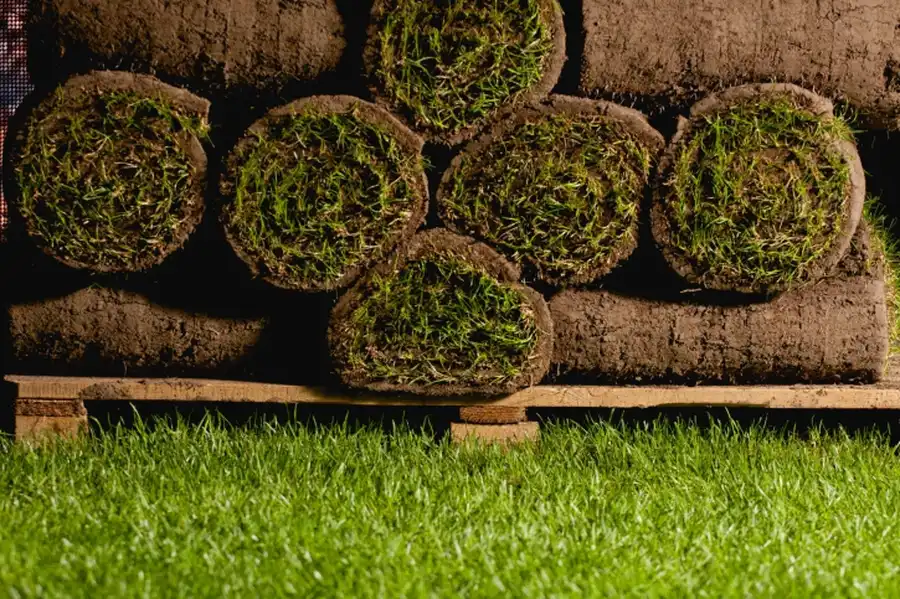
A careful process gives sod a better chance to root and stay in place. On a slope, skipping steps can lead to bare spots, sliding pieces, or washed-out seams.
- Clear dead grass, weeds, rocks, and loose debris from the slope.
- Grade the area so water moves gently, not in fast channels.
- Add quality topsoil if the site has thin or poor dirt.
- Roll or firm the soil so the base is stable.
- Lay the sod across the slope in straight rows, starting at the bottom.
- Stagger seams like bricks to help prevent long weak lines.
- Secure the sod with stakes or pins if the slope is steep.
- Water right after laying the turf so roots start bonding to soil.
- Keep the area moist during the first few weeks without overwatering.
Many contractors doing sod installation on hills also adjust nearby drainage at the same time. That may mean adding a swale, rerouting a downspout, or softening hard runoff paths. Grass alone cannot fix a water problem if too much force hits the hill every time it rains.
Common Mistakes to Avoid
One common mistake is laying sod on dry, dusty soil. The roots need contact with moist, firm ground. Another mistake is placing pieces vertically from top to bottom. That can create runoff lanes and pull seams apart. People also make the mistake of watering too much. A soaked slope can become slick, and the sod may slide before it roots.
Cutting corners on prep also causes trouble. If weeds are left in place, they compete with the new turf. If ruts and dips stay in the soil, water collects in the wrong spots. On very steep grades, not using pins or support mesh can lead to full sections peeling away after a storm.
- Do not lay sod on muddy ground.
- Do not ignore fast runoff from roofs or driveways.
- Do not mow too soon after installation.
- Do not let seams dry out during the rooting stage.
- Do not use the hill as foot traffic space right away.
When to Call a Professional
Some slope projects are simple. Others need expert planning. If the hill is steep, long, or already losing soil after light rain, it is smart to get help. A pro can check the grade, runoff path, and base soil. They can also tell you if sod installation is enough or if the yard needs a bigger fix.
Professional help also makes sense when erosion is reaching patios, walkways, fences, or foundations. If water is cutting channels into the slope, there may be a drainage issue under the surface. In that case, laying turf without fixing the cause may only give short-term results. A trained crew can often combine site prep, drainage changes, and turf placement into one plan.
Final Recommendation
For many homes, sod is a fast way to cover a slope and reduce erosion. It works best when the hill is prepared well, the sod is laid across the grade, and runoff is controlled from the start. In Murrieta, CA, yard shape and storm patterns can make a big difference in results. If you want a stable lawn that can handle life on a hill, contact us at (951) 408-8009. At JC & Sons Landscaping, we can inspect the slope, explain the problem, and help us find the right path for your yard.