
A Simple Guide to Choosing the Right Ground Cover for Your Yard
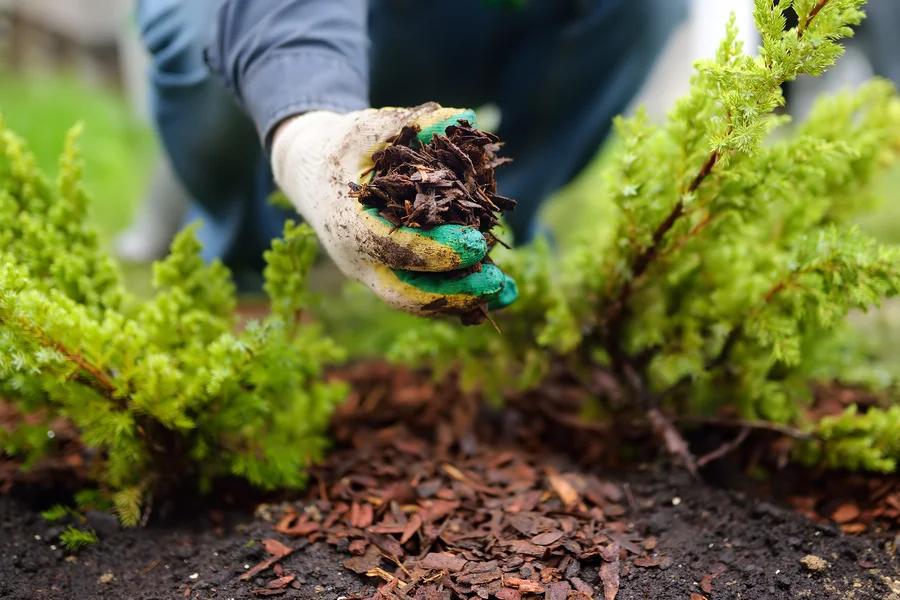
Mulch helps soil hold water, slows weed growth, and protects plant roots from heat and cold. The best type depends on where you plan to use it and what you want it to do. Some mulch breaks down and feeds the soil. Other kinds last longer and are better for paths or play areas. If you are planning mulching in Murrieta, CA, it helps to match the material to your plants, soil, and weather.
Quick Answer
The different types of mulch fall into two main groups: organic and inorganic. Organic mulch includes bark, wood chips, straw, pine needles, leaves, and compost. These types break down over time and improve soil. Inorganic mulch includes rubber, gravel, stone, and landscape fabric. These do not break down fast, so they last longer, but they do not feed the soil. Good mulching starts with picking the right material for the space.
What You Need Before Starting
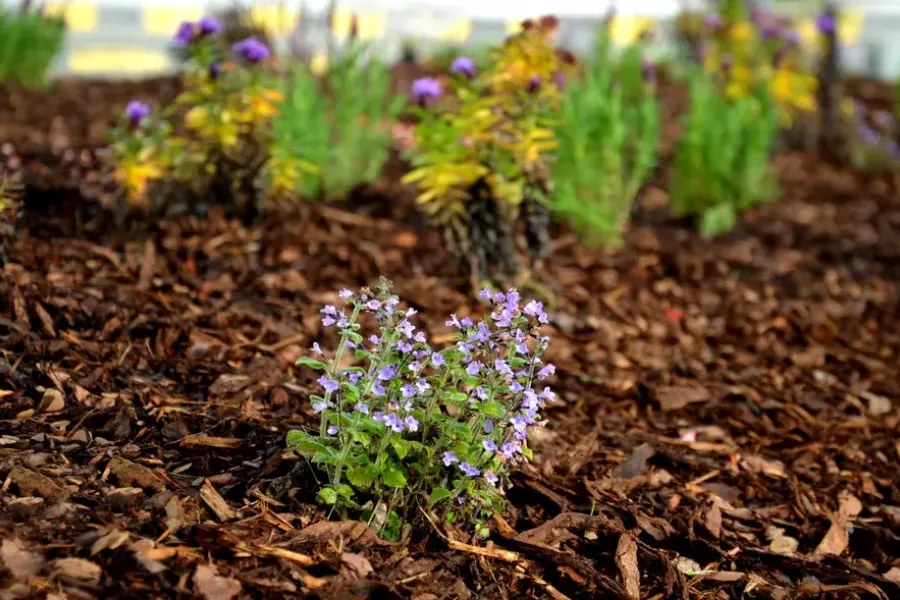
Before you spread mulch, take a close look at the area. Think about sun, shade, slope, and plant type. A flower bed has different needs than a vegetable garden or a walkway. You will also want to know how thick to lay the mulch. In most beds, 2 to 3 inches works well. Too little will not block weeds. Too much can trap water and harm roots.
You may need a few basic tools and supplies:
- Gloves
- A rake
- A shovel or pitchfork
- A wheelbarrow
- Cardboard or paper for weed control
- Your chosen mulch material
If the area has old weeds, sticks, or matted leaves, clear them first. This gives the mulch a clean surface and helps it work better. If you are adding mulch around trees, keep the material away from the trunk. A mulch pile against bark can lead to rot and pests.
Step-by-Step Process
Mulching is not hard, but a few simple steps make a big difference.
- Pull weeds and remove yard waste from the bed.
- Water dry soil before adding mulch.
- Edge the bed if you want a neat border.
- Spread mulch in a layer about 2 to 3 inches deep.
- Keep mulch a few inches away from stems and tree trunks.
- Smooth the surface with a rake for even coverage.
- Check the area after rain or wind and fix thin spots.
Choose the type based on use. Bark and wood chips are great for shrubs and trees. Straw works well in vegetable gardens. Pine needles are a smart pick near acid-loving plants like azaleas. Compost is helpful in beds where you want to build rich soil. Stone or gravel can work in dry spots or near drainage features.
Common Mistakes to Avoid
One common mistake is using too much mulch. Thick layers can block air and hold too much water. Another mistake is using the wrong type in the wrong place. For example, lightweight mulch may blow around in open, windy yards. Stone around delicate plants can make the soil too hot in summer.
People also forget that organic mulch breaks down. That is a good thing for soil, but it means you need to refresh it from time to time. Some homeowners place fresh mulch over weeds without clearing them first. That may hide the problem for a short time, but many weeds will still push through.
A final mistake is making mulch volcanoes around trees. This means piling mulch high against the trunk. It may look tidy at first, but it can stress the tree and invite decay.
When Each Type Works Best
Different materials do different jobs. Here is a simple way to think about it.
- Bark mulch: good for flower beds, shrubs, and a neat finished look
- Wood chips: useful for trees, paths, and larger landscape beds
- Straw: helpful in vegetable gardens and around young plants
- Pine needles: nice for slopes and plants that like slightly acidic soil
- Compost: best when soil health is the main goal
- Gravel or stone: smart for dry areas, paths, and low-water landscapes
- Rubber mulch: often used in play spaces, but not ideal for feeding soil
If you have mixed planting beds, you may even use more than one kind on the same property. That can make the whole service category feel more tailored to the yard, not just a one-size-fits-all job.
When to Call a Professional
Some mulch jobs are easy weekend projects. Others are harder than they seem. Large properties, steep slopes, drainage issues, and planting beds with many trees can take more planning. A professional can help you pick the right product, estimate the right amount, and spread it evenly.
You may also want help if old mulch is packed down, moldy, or mixed with weeds. In that case, the bed may need to be cleaned out before new mulch goes down. If your yard has erosion, runoff, or problem areas where mulch keeps washing away, expert help can save time and cut waste.
Good mulching also ties into plant health, watering, and long-term yard care. When done well, it can make beds look cleaner while helping roots stay safer through the season.
Final Recommendation
If you want help with mulching, we can talk through the best options for your yard in Murrieta, CA. At JC & Sons Landscaping, we match the material to the space so beds, trees, and garden areas get the right coverage. Call us at (951) 408-8009 if you’d like us to take a look and help plan the next steps.